
Performing arts work asks people to be visible, expressive and emotionally open. Whether on stage, in rehearsal rooms, studios, classrooms or backstage, creative professionals often bring a great deal of themselves into their work.
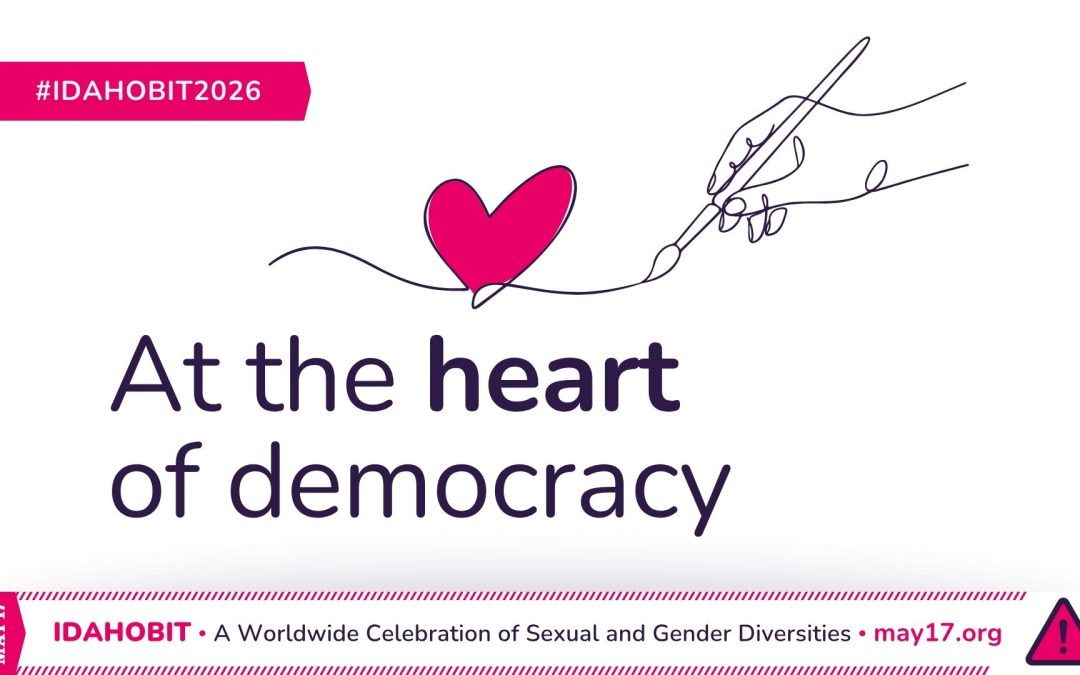
For performers to thrive creatively and sustain healthy careers, they need environments where they feel safe, respected and able to work authentically. This 17 May, the International Day Against Homophobia, Transphobia and Biphobia (IDAHOBIT), we are spotlighting why it’s so crucial that creative spaces are supportive for healthier performance practices.
Marking IDAHOBIT in the Performing Arts
IDAHOBIT offers an opportunity to reflect on the importance of inclusion, wellbeing and belonging across the performing arts sector. The day highlights ongoing inequalities faced by LGBTQIA+ people globally. Within the performing arts industry, we can affirm the importance of creating spaces where everyone can participate fully and safely.
The arts are shaped and strengthened by LGBTQIA+ artists, performers, educators and creative professionals. However, many professionals continue to experience discrimination or pressures around identity that can affect both well-being and professional confidence. These experiences can compound in freelance, touring, or high-pressure environments where support structures are not always consistent or accessible, which is why inclusion is so critical.
Inclusion as a Foundation for Wellbeing
Inclusive creative spaces are an important part of supporting healthier performers and sustainable careers, not just a tick box in modern workspace culture.
When people feel unable to be themselves at work, it can contribute to stress, isolation and reduced confidence, all of which can impact both physical and mental health.
For many working in the arts, identity and profession are closely connected. The ability to participate authentically in rehearsals, performances, auditions, and collaborations is closely linked to psychological safety — the shared belief that a team or environment is safe for interpersonal risk-taking. Environments that prioritise respect, representation and belonging allow performers to focus on their craft without unnecessary barriers or strain.
Supportive working cultures, compassionate leadership and equitable access to creative professional health services and wellbeing resources all play a role in helping people sustain long-term creative careers
In practice, this can be understood through a few key pillars of inclusion:
- Psychological safety – Feeling able to express identity and ideas without fear of judgement or harm.
- Respectful environments – Clear boundaries and everyday behaviours that support dignity.
- Representation and visibility – Diverse identities reflected across teams and creative spaces.
- Access to support – Easy access to inclusive, affirming healthcare and wellbeing services when needed.
- Belonging – Being able to participate fully without hiding identity.
BAPAM’s Commitment to Inclusive Care
At BAPAM, we believe inclusive support from healthcare professionals is essential to healthy creative practice. We strive to provide welcoming, respectful and person-centred care for everyone working in the performing arts, recognising that individual needs and experiences vary.
Our clinical services support a wide range of physical and psychological health concerns. We know that feeling listened to is central to effective care, particularly for those who may have faced barriers to accessing support. Alongside clinical work, we advocate for healthier working cultures across the sector, where diversity is valued and everyone can thrive safely and sustainably.
This International Day Against Homophobia, Transphobia and Biphobia, the BAPAM team reaffirms its commitment to supporting the wellbeing of all performing arts professionals. Thank you for joining us in the important work of creating inclusive spaces for all.